Selective pruning
Good pruning protects the tree and the property at the same time.
Trimming should not be random cutting. Guardian Tree Company looks at clearance needs, branch structure, deadwood, light, roof lines, sidewalks, driveways, and the long-term health of the tree before deciding what should be removed.
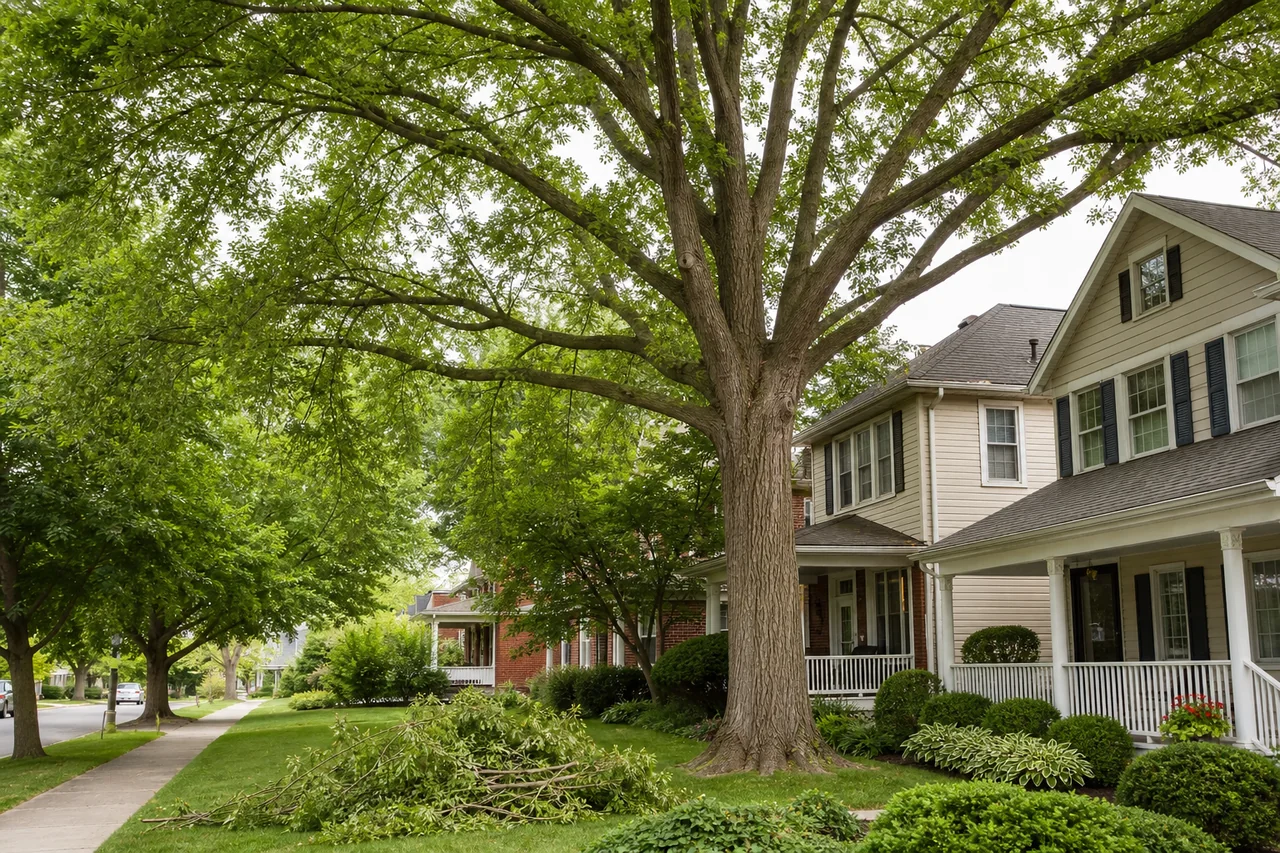
Common pruning and trimming goals
- Clear limbs away from roofs, siding, gutters, driveways, and walkways
- Remove dead, broken, crossing, or rubbing branches
- Improve canopy structure without stripping the tree
- Reduce avoidable storm risk from weak or overloaded limbs
- Shape young trees so future growth has a stronger framework
Local pruning notes for Pennsylvania yards
Timing depends on the goal
Late winter is often useful for structure, while dead, broken, or hazardous limbs should be addressed when noticed.
Clearance should stay selective
The goal is to solve the roof, driveway, sidewalk, or canopy concern without stripping or topping the tree.
How a pruning visit is approached
Identify the goal
Clearance, health, safety, and appearance are separated so the work stays focused.
Make selective cuts
The work targets specific branches instead of over-thinning or topping the canopy.
Review the result
The finish should solve the concern while leaving the tree with a natural, healthy shape.
Tree trimming and pruning FAQs
What is the difference between tree trimming and pruning?
Trimming is often used for clearance and shape, while pruning is more focused on tree structure, health, deadwood, and long-term growth. A good visit may include both.
When is the best time to prune trees in Pennsylvania?
Timing depends on species and goals. Dormant season pruning is common for many trees, while dead, damaged, or hazardous limbs can often be addressed when the issue is found.
Can pruning help reduce storm damage?
Selective pruning can reduce weak, dead, crossing, or overloaded limbs, but it cannot make any tree storm-proof. The goal is a healthier structure and lower avoidable risk.